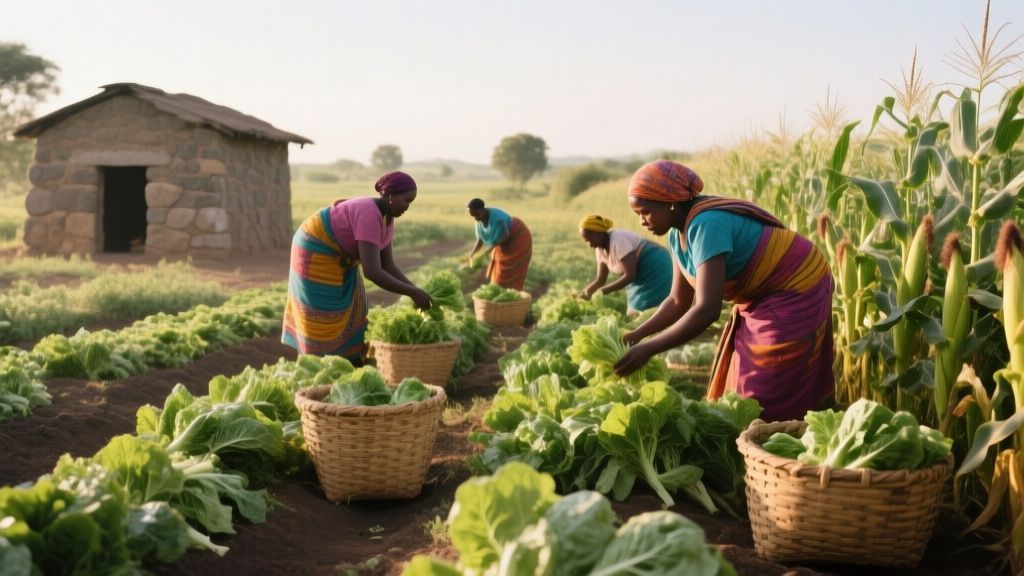

About This Article
This guide explains how to build and strengthen food security in african countries through practical methods, policy shifts, and community action. Learn more below.
Introduction
Food security in african countries means ensuring that all people have reliable access to affordable, nutritious food every day. This requires stable farming practices, fair markets, strong supply chains, and policies that support both farmers and families. However, millions still struggle to find enough to eat.
Across the continent, millions face hunger or the threat of it. The causes range from poor soil and drought to unstable prices, weak infrastructure, and limited farm investment. Food security in african countries depends on solving each of these problems. Each region has its own mix of challenges, so solutions must be tailored to local needs and resources.
In this article, you’ll learn what farming involves, why it matters to communities and budgets, how progress happens, real stories from the field, and steps you can take. Whether you work in farming, policy, aid, or just care about world hunger, this guide helps you understand and act with confidence. You’ll see how some regions cut hunger in half through steady work.
Defining the Core Problem
Food security means people can get enough safe, healthy food to meet their daily needs. The price must be fair and they must be able to afford it. In many african countries, this basic right is out of reach for millions. But the problem is often not too little food made. It’s uneven distribution, poverty, and weak systems. Food doesn’t reach those who need it most.
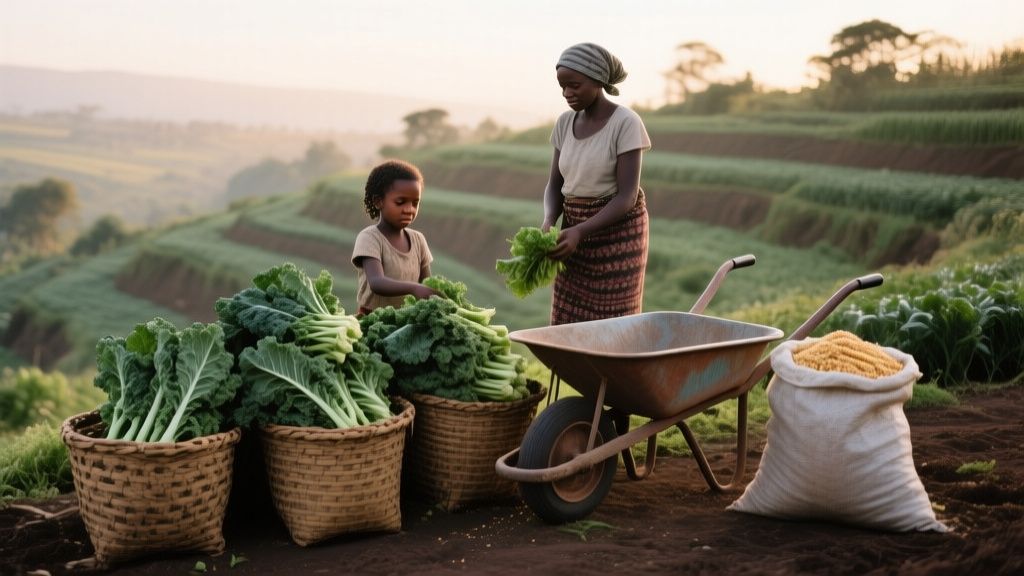
Climate shocks, such as droughts and floods, destroy crops and livestock. Poor storage facilities allow grain and produce to rot before sale. Farmers often lack access to quality seeds, fertilizer, tools, and training. Because of these gaps, cycles of poverty and hunger are hard to break. Food security in african countries requires fixing each of these problems.
The Scale of Need
Hunger is a big problem across the continent. It hits both country families and city families hard. In rural areas, farmers struggle because land wears out and they lack new tools. City poor people face high food prices and job loss. This makes fresh, healthy food too expensive for them. But real solutions exist if communities and governments take action.
Women and children are especially vulnerable. When resources are scarce, girls may be pulled from school to help at home or in fields. Children who lack proper nutrition during critical years fall behind in school and suffer lifelong health effects. Therefore, addressing this means focusing on the people most at risk.
The issue touches every part of society, from small farms to national policy to trade deals with other nations. Solving it requires action at all these levels at once.
Why This Sector Matters
When people are hungry, they cannot work well, learn well, or stay healthy. Hunger drains national budgets through medical costs and lost productivity. It also fuels conflict over scarce resources and can force families to leave their homes and land.
Strong food security builds stable communities and growing budgets. Farmers who know they can sell their harvest invest more in land. Families with enough food keep children in school longer. Healthy, well-fed people create better futures for themselves and their nations.
Economic and Social Impact
Agriculture is a major employer and income source across the continent. When this sector thrives, money flows through whole communities. Local markets grow, traders prosper, and governments collect more tax to spend on roads, schools, and clinics. Food security in african countries depends on a strong farm sector that employs many people.
Food security does more than fill bellies. It protects health and human dignity. Children grow stronger in body and mind. Parents can plan ahead instead of fear. Social peace improves, crime falls, and communities invest in their future. They stop fighting over survival.
Consider a region where harvests improve: farmers earn more, buy better seed and tools, grow even more next year, employ more workers, and attract young people back to farming. Schools fill with well-nourished children who perform better. So local traders open shops and restaurants. This positive cycle spreads outward and lifts entire regions.
Building Solutions Step by Step
Progress starts with investing in farmers and farms. Better seeds, training in modern methods, and access to credit let farmers produce more with the same land. Improved soil care keeps fields fertile for generations. Food security in african countries improves when farmers can store and process their harvest, keeping more value from their work.
Next, roads and markets must work better. Food travels faster and stays fresher when roads are paved. Traders need fair prices and safe places to buy and sell. Therefore, technology like mobile phones and simple data systems help buyers and sellers find each other quickly.
Combining Resources and Knowledge
Governments help by setting fair prices and keeping unfair imports out of markets. They train workers who teach farmers new skills. Schools should teach farming science to young people. Universities should study crops and methods that fit local soil and weather.
Community groups and nonprofits often fill gaps where government cannot reach. They run training programs, link farmers to markets, provide small loans, and help families start backyard gardens. These local partners know the culture and trust of their regions, so their work often succeeds where outside groups might fail. Food security in african countries improves when communities lead their own solutions.
When all these pieces work well together, production rises. Good seed, trained farmers, working roads, fair markets, and smart rules all matter. Prices fall and families eat better. Hunger drops.
Success Stories From the Continent
Several regions have shown that progress works. Ethiopia built grain reserves and trained millions of farmers in soil care. This cut hunger in many areas. Families got more stable food supplies. The lesson is clear: patience and steady effort pay off over time.
Kenya’s farmer cooperatives group small producers so they can buy seed and tools together at lower cost. Members learn from each other and share knowledge about which crops grow best in their soil. Working as a group gives them bargaining power when selling to larger buyers. Food security in african countries strengthens when farmers pool their resources and knowledge.
How Change Happens
Ghana supported small traders in rural areas by improving roads and setting up weekly markets where farmers could sell directly. Women traders, in particular, gained the confidence to buy crops from farmers and resell in cities. This simple infrastructure boosted income for both farmers and traders while moving more food to cities. Food security in african countries benefits when governments invest in basic market infrastructure.
Malawi invested in a system where government buys surplus grain at harvest time and stores it. When prices spike during the hungry season, government releases grain to keep prices fair. Therefore, this protects both farmers, who know they can sell, and poor families, who can still afford to eat.
These examples show that there is no single magic answer. Each country must build solutions that match its own land, climate, people, and resources. What works in the highlands may not work in drier areas. Food security in african countries improves when solutions are tailored to each region’s unique needs.
Common Mistakes to Avoid
One big mistake is using the same plan everywhere without caring about local needs. A crop that grows well in wet areas may fail in dry ones. Farmers used to old methods may resist new ones if they don’t get it. So solutions must be tested locally before they spread wide.
Another mistake is ignoring women’s roles and needs. Women do much of the farming work and all the cooking, yet often own no land and have little say in decisions. Programs that leave women out miss half the talent and weaken their own impact. So the smartest projects make sure women participate, benefit, and lead.
Avoiding Costly Errors
Spending money on big projects with no local buy-in is a recipe for failure. A fancy grain storage facility that the community didn’t ask for and doesn’t know how to maintain will sit idle. Therefore, work done with people, not to them, lasts much longer.
Focus your effort on what your community actually needs. Listen first, ask questions, build trust, and then act with partners, not as an outsider. Start small, learn from mistakes, and grow from there. This steady approach builds real, lasting change.
Practical Tips for Readers
If you work in this field or support it, start by understanding your local context deeply. Walk through markets, talk to farmers and traders, visit fields in different seasons. Ask what people say their main problems are, not what you assume they are. Then write down what you learn and let it guide your decisions.
Build partnerships early. Connect farmers with extension workers, traders with transporters, and communities with government. These relationships create trust and make future cooperation easier. Food security in african countries improves when networks of people and organizations work toward the same goal.
Making Your Work Stronger
Measure what matters. Track how many farmers adopt new seeds, how much land produces more, and whether families eat better. Numbers help you see what is working and where to focus next. Keep records so you can teach others what you have learned and improve year after year.
Invest in people. Training farmers, traders, and local staff in practical skills pays dividends for years. A skilled community member who stays local and trains others multiplies your impact far beyond what you could do alone. Therefore, patience and trust in local leaders is often the best use of resources.
Current Trends and Challenges
Climate change is making weather less predictable. Rains come late or too hard, droughts last longer, and temperatures climb. These shifts hurt farming in many regions and will likely make food security in african countries worse unless farmers adapt. Breeding crops that can handle heat and dry spells is becoming urgent work.
At the same time, more young people leave farms and move to cities. The farms are left with fewer workers. Those who stay often don’t know modern farming methods. Cities create chances but pull energy away from farms. But we can change this. Making farms more attractive through better pay, new tools, and respect for the work helps.
Opportunities and Obstacles
Mobile phones are spreading fast. Farmers can now check market prices and talk to buyers right away. Solar power costs less, so more communities can pump water and keep food cold without expensive power. These tools give real hope for faster progress. But many farmers still don’t have access to these tools. Those who do need training to use them well.
The global food system is changing too. International markets shift, trade deals come and go, and prices for crops rise and fall unpredictably. Food security in african countries improves when communities build local and regional food systems that don’t rely entirely on export markets. The trend now is toward diversity, some crops for local sale, some for trade, some for home use, so no single problem wipes out all income.
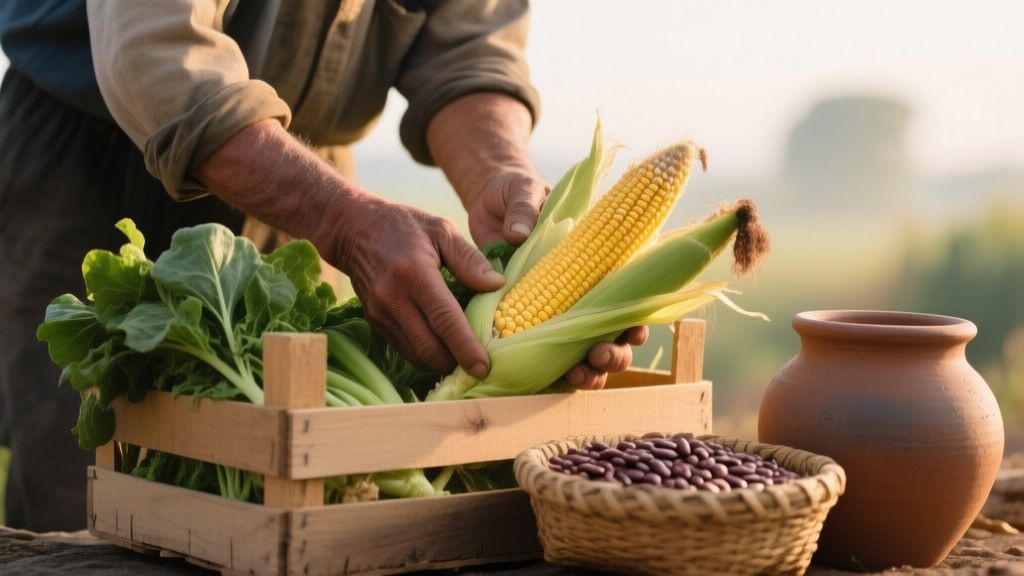
Comparison Table
Different ways to strengthen farming each have good points and weak points. The table below compares four main methods used across the continent.
Most successful regions use more than one approach at the same time, tailoring each to fit their own situation and needs.
Frequently Asked Questions About food security in african countries
What percentage of people across the continent face hunger or food insecurity?
Hunger levels change by region and shift year to year. Harvests, conflict, and prices all affect them. Many millions lack steady access to enough food. Rural areas and poor city neighborhoods get hit hardest. Getting exact numbers is tough. But the need is very large and calls for fast action.
How does hunger connect to poor nutrition and health?
When people eat too little or lack diverse, nutritious foods, their bodies and minds cannot develop or function well. Children’s brains may not form fully, and adults cannot work at full strength. So hunger also weakens immunity, and people catch diseases more easily and recover more slowly.
What role do women play in farming and feeding families?
Women grow much of the food and manage family meals. They also carry water and collect fuel. Yet they own little land and have little say in big choices. When women get better access to land, training, credit, and markets, whole families and communities gain much more. This works better than aid that only reaches men.
Can technology like improved seeds really make a difference?
Better seeds suited to local soil and weather do boost crops and pay. Proper training and tools help too. But technology alone is not enough. Farmers also need fair prices, good roads, and the chance to learn. Technology works best as part of a larger system that gives support and investment.
What can I personally do to support this cause?
You can help organizations that work in this region. Push for fair trade and local farming in your own country. Learn more and teach others. If you work in aid, farming, or policy, bring these lessons into your daily work. Small, steady actions by many people create big change over time.
Conclusion
Food security in african countries is a complex challenge, but it is solvable. Progress requires investment in farmers and farms, working markets and fair prices, strong government policy, and community leadership. Therefore, many regions have already shown that steady, thoughtful effort produces real results.
Your next step is to choose where and how you want to contribute. Whether you work in agriculture, policy, aid, business, or education, bringing what you have learned here into your work will help build a future where every person in every region has reliable access to good food. Food security in african countries improves when you start by listening, building partnerships, and acting with the people you serve, not for them. That foundation of trust and respect is where lasting change begins.
Expert Insight
The most effective path forward combines local knowledge with practical support. Listening to farmers, traders, and families about their real needs, rather than imposing outside solutions, ensures that effort and money are spent wisely and produce results that last.


Pingback: Choosing Happiness And Meditation The Smart Way
Pingback: The Best Food Security Practices For Real Results