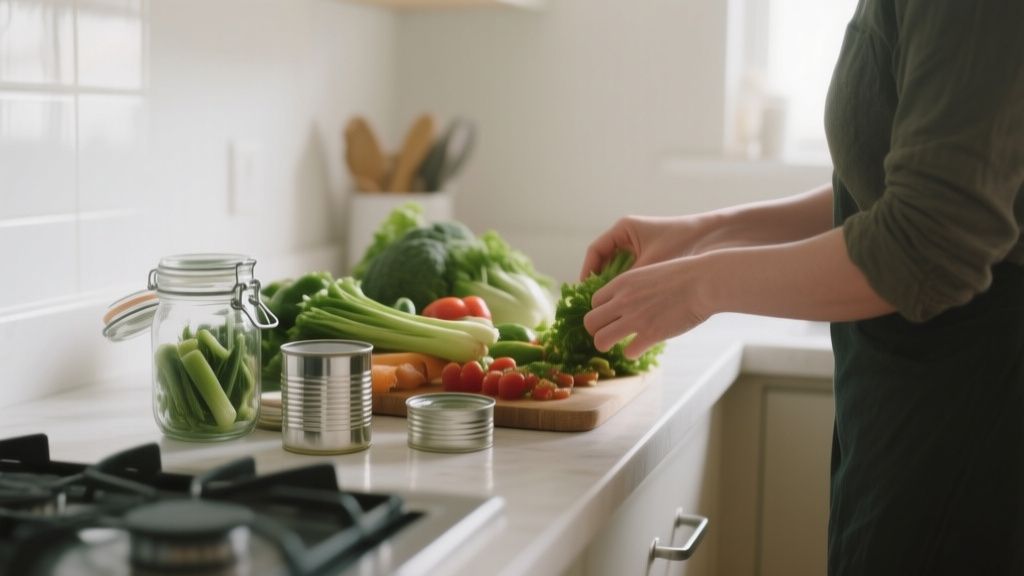

About This Article
Food preservatives and canned food keep meals safe and ready to eat for months without refrigeration. Learn how canning works and which preservatives you need.
Introduction
Food preservatives and canned food keep your meals safe to eat for a long time. But the canning process does most of the work. It uses heat to kill bad germs. Added preservatives are seldom needed inside the can.
Table of Contents
What Canning and Food Preservatives Do
Canning is a way to save fruit and greens by sealing them in a jar and heating them. The heat inside the can kills germs and mold. Because this works so well, most canned foods don’t need added preservatives.
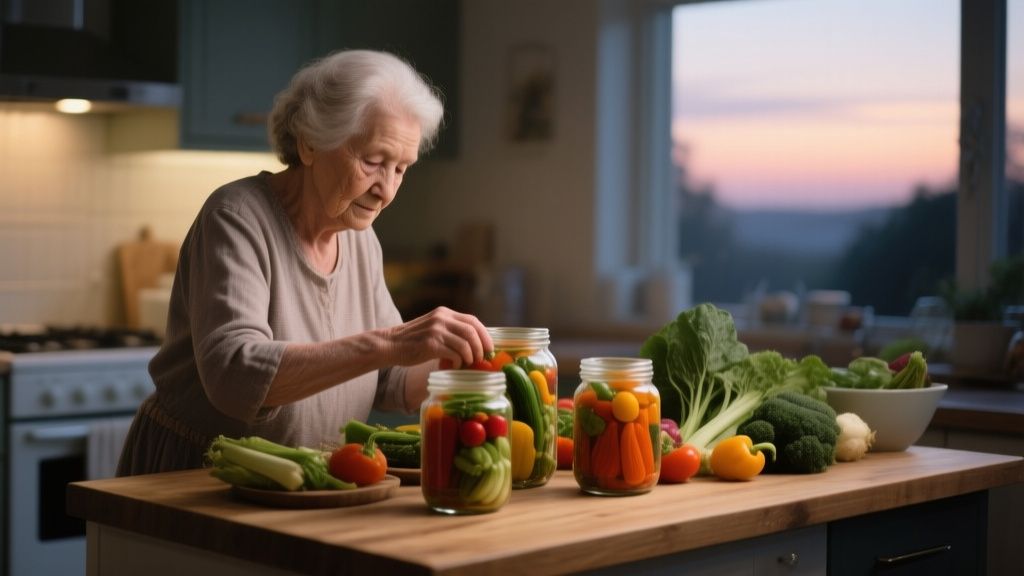
Food preservatives and canned food serve other roles. Preservatives are things added to some foods to slow rot, while canned goods rely on the canning method itself for safety. When you buy a can of beans or greens, you are often buying a product that was kept fresh through heat and an airtight seal, not through man-made extras. As you plan your food security approach, knowing how canning works helps you make smart choices about which shelf-stable foods to keep at home.
The Purpose of Canned Foods
Canned goods let you buy fruit, greens, and meats when costs are low and use them weeks or months later. This stability matters for families who want to cut grocery trips. It matters for people who live far from fresh shops.
Having a supply of canned goods also keeps you safe when fresh food is not on hand. A pantry full of food security practices that include canned items gives you peace of mind and meal choices when you need them most.
Why Canned Food Lasts So Long
Canned food stays safe to eat for years because heat from canning kills all the germs that cause rot. According to the Centre for Food Safety, preservatives are seldom added to canned foods. The heat treatment of the canning process keeps the food fresh on its own. A linked resource on this topic is what you need to know.
What Happens During Heat Treatment
When food goes into a hot can, the heat gets high enough to kill germs, viruses, and mold. These tiny things spoil food or make you sick. This process works so well that the food stays safe on a shelf. It doesn’t need a cold box. A linked resource on this topic is how to start a morning routine.
Once the can cools and the lid seals tight, it forms a barrier against air and new microbes. Food safety experts, as described in resources on canned food myths, note that the canning process heats foods to kill microbes while keeping intact vitamins, minerals, fiber and protein. This means you do not lose the good parts of the food just to make it last longer.
How the Canning Process Works
Canning means cooking food, putting it in a jar, heating it under tight control, and sealing it shut. Each step matters for safety. Food preservatives and canned food stay safe because of this method, not because of man-made extras.
According to Centre for Food Safety, Hong Kong Government, the principle of canning was first developed in the late 18th century by French inventor Nicolas Appert (2022).
- Prepare the food by washing, cutting, and removing any damaged spots that could harbor bacteria.
- Pack the food into clean, hot jars or cans, leaving a small air gap at the top so steam can escape.
- Heat the filled containers in boiling water or a pressure canner for a set time based on what food you are canning.
- Remove the containers and let them cool at room temperature until the lids seal with a pop or click sound.
- Store the sealed cans in a cool, dark cupboard away from extreme heat or cold.
What to Expect After Canning
Once the containers cool completely, the lids should curve inward and feel firm when you press them. This tells you the seal worked and the food inside is safe. So your canned goods are ready to store. A related resource on this topic is how to start a morning routine.
Canned foods can last for years when kept right, though the feel and color may shift over time. Labels on store cans show a “best by” date, but canned goods often stay safe well past that date. This is because the can has no dents, rust, or leaks. The safety of food preservatives and canned food depends most on proper storage and an intact jar.
Real-World Scenarios
A single parent with two jobs finds it hard to cook fresh meals. By keeping canned vegetables, beans, and soups in the pantry, they can put a healthy dinner on the table in 15 minutes. They don’t spend an hour at the shop. A quick rinse of canned beans cuts extra salt. A can opener is all they need.
A town with few fresh shops needs canned goods. They fill gaps in what people eat and the nutrition they get. When a local food bank stocks canned fruit and greens, families can build good meals. Food preservatives and canned food become a useful tool for food security. This works when distance makes fresh crops hard to get. A linked resource on this topic is master box breathing technique for anxiety.
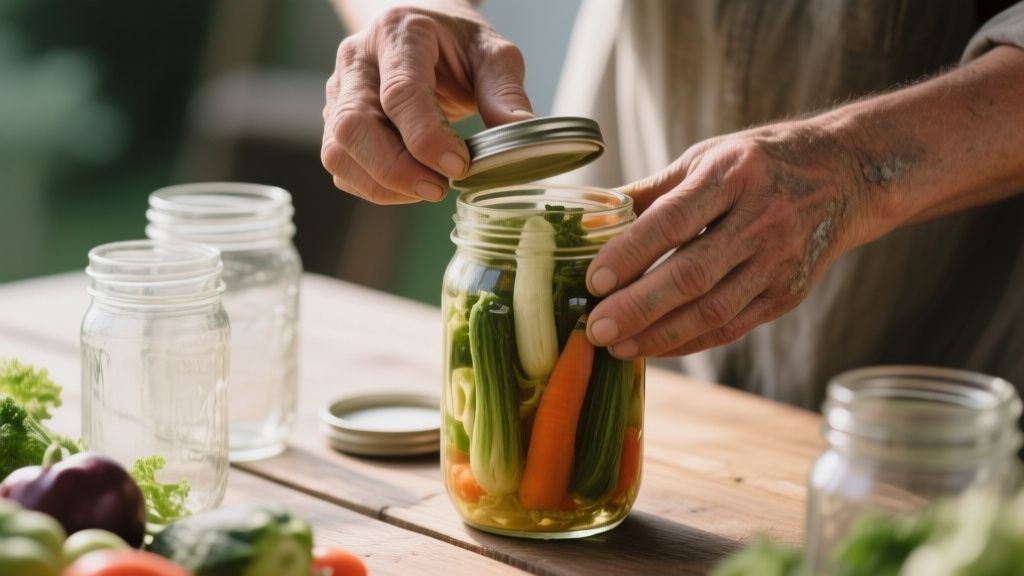
Common Mistakes When Using Canned Food
Many people think canned foods have lots of chemical preservatives. In fact, most canned foods have no added preservatives at all. The canning process itself does the job. If you worry about additives, check the label. Look for a short ingredient list with foods you know.
Tips to Get the Most From Canned Food
Store canned goods in a cool, dry shelf away from sun and heat. Dark under-stairs spots and inner shelves work better than kitchen cabinets above the stove. Then move your stock by using older cans first. Nothing sits for too long this way. Mark the buy date on the label with a pen to track how long you have had each can. Nutrition Before During and After goes into more detail on this point.
Build a balanced pantry by mixing canned items into meals with fresh foods. A canned tomato base with fresh garlic and herbs tastes home-made. Canned beans mixed with fresh greens make a quick salad. This approach lets you rely on food preservatives and canned food while still enjoying fresh items when they’re on hand and low-cost.
When Canned Food and Preservatives Have Limits
Canned food works for most people. But it doesn’t suit all. If you follow a low-salt diet for health, canned goods often have too much salt. Even rinsing doesn’t take it all out. Some people like fresh or frozen crops and find canned types too soft. When you think about food preservatives and canned food, think about your own needs first. A related resource on this topic is master box breathing technique for anxiety.
According to Hawaiʻi Foodbank, Rinsing canned beans may reduce sodium content by as much as 41 percent (2024).
Dent, bulge, or leak cans should never be used. They may have bad germs inside. If you open a can and smell or see something odd, toss it. When you’re not sure about a canned food’s safety, throw it out. how does how to build a goes into more detail on this point.
Comparison Table
Different preservation methods have different strengths and drawbacks for different situations. Ensuring High-Quality Canned Foods goes into more detail on this point.
Choose based on your kitchen setup, how long you want food to last, and which nutrients matter most to you.
Frequently Asked Questions About Food Preservatives and Canned Food
Are preservatives in canned food safe to eat?
Most canned foods have no added preservatives. The canning process itself keeps them fresh through heat and sealing. When preservatives are used in other foods, food safety groups test them. They make sure they’re safe at the levels used in products. Always check the label to see what is in your can.
Do you need to add preservatives to home-canned food?
No. The heat from canning kills bacteria. So you don’t need added preservatives for safety. Home canners must follow tested recipes and steps. They need to keep the temperature high enough. This stops harmful bacteria from surviving. Using the right tools and timing is what keeps home-canned food safe, not preservatives.
What nutrients stay in canned food?
Canned foods keep most of their vitamins, good salts, fiber, and protein. The high heat happens fast so they don’t lose much. Some vitamins like C may drop a bit. But the good parts stay strong. Canned crops are often heated at peak ripeness. The good parts can be as strong as fresh crops that rode trucks for days to your shop.
How long does canned food stay safe to eat?
Canned food is safe to eat far longer than the printed date says, often for many years. The “best by” date means peak taste, not safety. So as long as the can is not dent, bulge, or leak, the food inside is likely still safe, though color and feel may shift over time.
Is canned food considered processed food?
Yes, canned food has been heated and sealed. But this process is a way to keep it fresh, not add man-made things. Heating food itself does not make it bad for you. Canned beans, greens, and fruit are foods that are barely changed. Most have no added preservatives. They’re a healthy choice for pantry storage.
Conclusion
Food preservatives and canned food offer an easy way to keep meals safe and ready. The canning process does the hard work. Most canned goods need no added preservatives. They’re a smart choice for your pantry.
Start by building a small pantry with canned beans, greens, and fruit you really eat. Then rinse beans to cut salt, store cans in a cool place, and use older items first. This simple step gives you food security and meal choices whenever you need it.
Expert Insight
The heat used in canning kills bacteria so effectively that food stays safe without added preservatives. This is why you can trust a simple canned vegetable with an ingredient list that names only the food itself and perhaps salt or water.


Pingback: Choosing Food Preservatives and Canned Food Wisely
Pingback: A Simple Guide to Food Preservatives and Canned Food