
About This Article
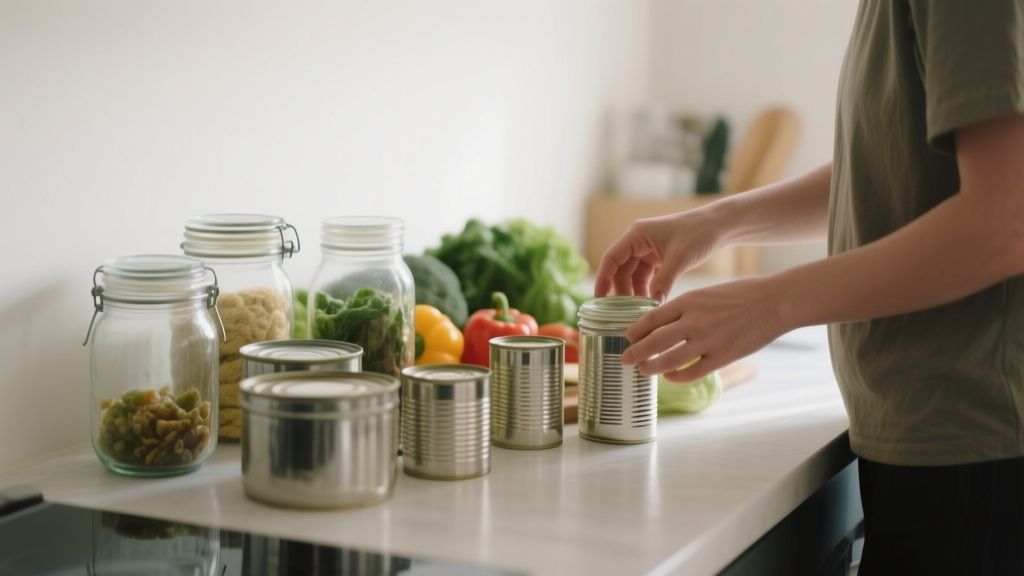
Food preservatives and canned food offer practical ways to store meals safely for weeks or months without refrigeration or added chemicals.
Introduction
Canned food safety standards keep meals safe to eat long after harvest. Food preservatives and canned food slow decay and stop harmful germs. The canning process itself does most of the work. It heats food in a sealed jar. Many canned goods need no added preservatives at all. However, this guide explains how canning works and what happens to nutrition. It tells you which foods you can safely buy canned. It shows how to read labels so you choose the right products for your household.
You will learn what food preservatives and canning actually do. You will learn how to spot misleading labels. You will learn when canned food may not fit your needs or storage space.
Table of Contents
What Food Preservatives and Canning Are
Food preservatives and canned food serve different roles. Preservatives are substances added to slow decay. They stop germs from growing. Canning is a method that heats food in a sealed container. It kills germs and fungi, then traps it safely inside until you open the lid.

They work by blocking unwanted microbe growth. Knowing how preservation works helps you make confident choices. You avoid throwing away food or wasting money on products you are unsure about. Because understanding food preservatives and canned food matters, a guide to food security practices explains how reliable access to affordable food fits into your household planning.
The Nutrition Question
Some people worry that canned food loses nutrients. The truth is mixed. Heat processing can reduce certain vitamins. But it often leaves minerals, fiber and protein intact. Canned beans, fruits and vegetables may contain as many nutrients as fresh ones. This depends on how the fresh food was stored and transported.
How the Canning Process Works
Canning follows a strict sequence to kill germs and seal food safely. Each step matters. Skipping or rushing any one of them can leave the food unsafe to eat. Home canners and food factories use the same basic method with food preservatives and canned food handling. Factories work at a larger scale and higher temperatures.
- Select fresh, firm fruits, vegetables or meats with no bruises or mold.
- Prepare by washing, peeling and cutting into sizes that heat through evenly.
- Heat the food to a specific temperature in boiling water or steam to kill all harmful bacteria.
- Seal it immediately in sterilized jars or cans while still hot, trapping the air inside.
- Cool the containers slowly so the seal hardens and locks the lid in place.
- Store in a cool, dark place away from direct sunlight and extreme temperature swings.
What Happens During and After Sealing
As the sealed jar cools, the food inside contracts slightly, creating a vacuum that holds the lid down tight. This vacuum is your sign the canning worked. However, if a lid pops up and down or will not stay flat, air leaked in and the food may spoil, so you must not eat it.
Once sealed and cooled, canned food needs no refrigeration. It can sit in your pantry for months or years. This depends on the food type and storage conditions. Some foods keep longer than others. Canned meat and vegetables usually last two to five years. Acidic foods like tomatoes and pickles often keep one to two years.
Real-World Uses in Daily Life
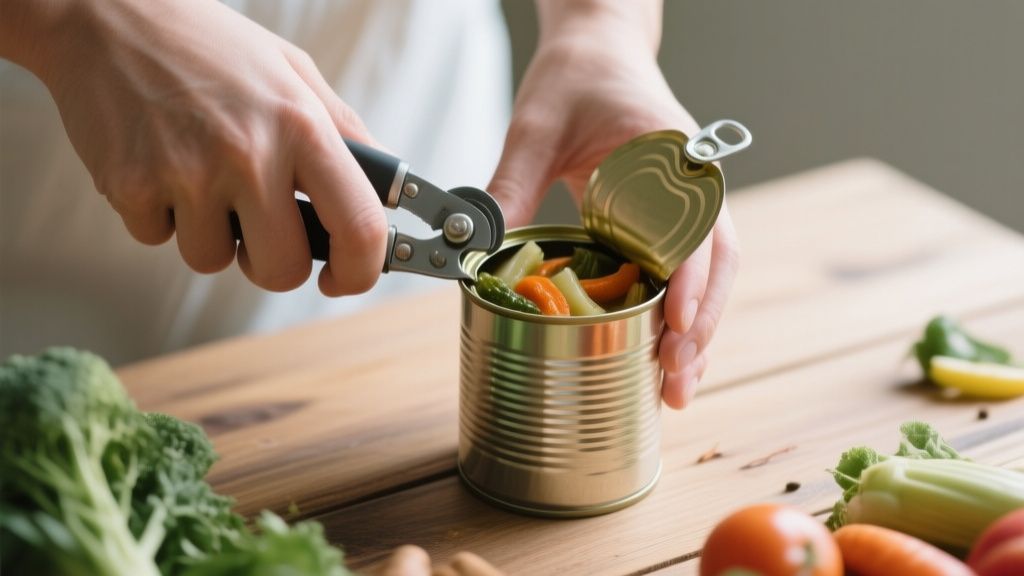
A night shift worker who sleeps during the day can grab food preservatives and canned food like soup or beans in minutes. No cooking from scratch is needed when arriving home in the evening. These require only a can opener and a pot. They are faster than fresh ingredients. They are less likely to spoil before the next shift starts.
A parent stocking a pantry for school lunches might buy canned fruit cups and beans. They cost less than fresh equivalents. They fit easily on shelves and need no daily prep. These options let the household eat balanced meals. This works even during busy weeks when shopping is hard to fit in. A community resource explains common myths about canned food nutrition and safety. This helps shoppers make informed choices about what to buy.
Three Mistakes When Buying Canned Food
Mistake 1: Believing all canned food is high in sodium. Many canned foods contain low or no added salt. However, check the label because sodium content varies widely. It differs between brands and products. If you prefer lower sodium, rinse the food. You can also buy versions labeled “no salt added.” Most food preservatives and canned food don’t need added salt.
Mistake 2: Assuming canned means heavily processed or unsafe. Canning is a simple preservation method. It is not heavy processing. The heat kills germs without chemicals. The seal keeps air out. A guide on canned meat and vegetables from a university extension service clarifies what safety practices canners follow. It shows what to look for on labels.
How to Read Labels and Store Wisely
A label tells you the sodium and sugar in that can. It lists any added preservatives. Look for simple ingredient lists. Tomatoes, salt and spices are common. Long chemical names may signal extra additives. Some labels say “no preservatives added.” This means food preservatives and canned food rely on the canning process alone to stay safe. Others list sodium as “salt” or in milligrams per serving.
Store canned food in a cool, dry place below 85 degrees Fahrenheit. A pantry, basement or closet works well. Avoid hot kitchens near the stove or windows. Temperature swings quickly in those spots. Keep cans off damp floors and away from leaks. Industry information on canned foods and preservatives explains why sealed cans do not need chemical additives. It shows how storage conditions protect them. Use older cans first so food preservatives and canned food don’t sit for years.
Building a Smart Pantry Rotation
Write the purchase date on each can with a marker. This tells you which ones to use first. Group canned goods by type. Keep beans together and vegetables together. You can see what you have at a glance. Keep a running list of what you use each week. This helps you replace items before you run out.
Check your pantry once every three months. Rotate stock by moving older cans to the front. This system means nothing sits long enough to spoil. You always have meals on hand. Also, a resource on food security in different regions covers how reliable food access with food preservatives and canned food fits into household planning and emergency preparedness.
When Canned Food May Not Fit Your Needs
Canned food works well for most households but has real limits. If you live alone and rarely cook, buying individual cans may waste food. You may use only half before it starts to spoil. If you have a small kitchen with no pantry, stacking cases of cans takes up space. You need that space for cooking tools and fresh groceries. Also, if your budget is very tight, the per-serving cost of some canned goods may still exceed dried beans or rice. You would cook rice in bulk.
When to Seek Advice From a Professional
You should not taste a canned food if you notice rust, bulging or a strange smell. Throw it away instead. A swollen can means bacteria may have grown inside. Because food preservatives and canned food safety is critical, ask a local extension service or certified food safety professional before attempting to can food at home if you have questions.
Comparison Table
This table compares common food preservation methods used in home kitchens and commercial food storage.
Choose the method that fits your time, space, skill level and the foods you eat most.
Frequently Asked Questions About Food Preservatives and Canned Food
Are food preservatives and canned food safe to eat?
Yes, canned food is safe when sealed cans are stored properly. They should show no rust or bulging. However, preservatives approved for food use are tested for safety. Some people prefer to avoid certain additives. Always check the label and discard any can that looks damaged.
Do canned foods need added preservatives?
Most canned foods need no added preservatives. Heat and sealing protect them. Some recipes use salt or sugar to enhance flavor and aid preservation. However, food preservatives and canned food do not require these for the canning process to work safely.
How long does canned food last?
Canned meat and vegetables usually last two to five years in a cool, dry pantry. Acidic foods like tomatoes and pickles often keep one to two years. However, food preservatives and canned food can be safe well past the date on labels if properly stored.
Is canned food less nutritious than fresh?
Not necessarily. Heat processing can reduce some vitamins. But minerals, fiber and protein often remain intact. Also, canned produce may match or exceed fresh food in nutrition. This depends on how fresh food was stored and transported before you bought it.
What is the difference between canning and bottling?
Canning uses sealed metal or glass containers heated to kill germs. It is usually for solids like vegetables and meat. Bottling applies the same heat-and-seal method. It mostly applies to liquids like jams, sauces and juices. Both create shelf-stable products because they need no refrigeration.
Conclusion
Food preservatives and canned food offer practical, affordable ways to keep meals available. Fresh food may be scarce or costly. The canning process itself prevents spoilage safely. Most canned goods contain few additives. Learning to read labels takes just a few minutes. Checking for damage and rotating your stock also helps. You can build a pantry that feeds your household reliably because you create a system.
Start by buying one or two canned foods your family eats regularly. Beans, vegetables or fruit are good choices. Store them in a cool, dry spot. Write the purchase date on each can. Use the oldest ones first. This simple step builds a habit because it cuts food waste and keeps emergency meals on hand.
Expert Insight
Most canned foods contain no added preservatives because sealing and heat treatment preserve them naturally. Keep cans in a cool space and rotate stock every few months so nothing sits unused for years. This simple habit keeps your pantry safe and prevents waste.


Pingback: A Simple Guide to Food Preservatives and Canned Food