
About This Article
Food preservatives and canned food work together to keep meals safe and fresh for months by slowing bacterial growth and stopping foodborne illness.
Introduction
Food preservatives and canned food keep meals ready to eat longer. They reduce the chance of spoilage. This matters for busy lives. Canned goods sit on shelves without refrigeration. Preservatives and the canning process work as a barrier against bacteria.
This guide covers what preservatives do. It explains why canning matters for food storage. It shows the right way to keep canned goods fresh. It tells you when to get help with home canning. Food Safety A to Z offers more detail on how to store canned food safely at home.
Table of Contents
What Food Preservatives Do in Canned Food
Preservatives work by slowing or stopping the growth of bacteria. Bacteria cause food to spoil and make people ill. They are added to canned food during processing. This extends how long the food stays fit to eat. For example, salt, sugar, and acids are common preservatives. They lower the conditions bacteria need to survive.
How Preservatives Differ from the Canning Process
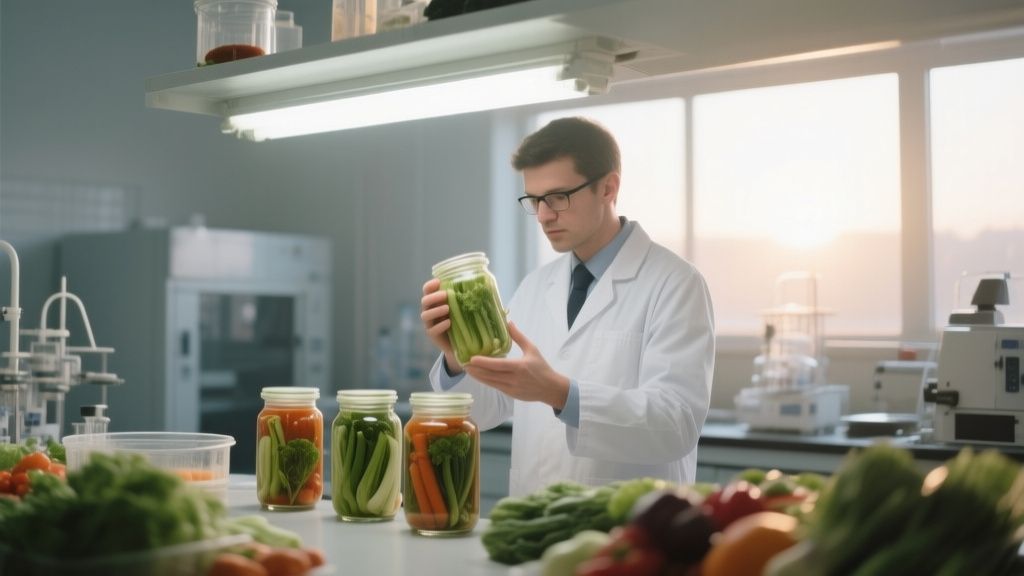
Canning itself is a preservation method. It heats food in an airtight container to kill harmful organisms. Preservatives are ingredients added to the food inside the can. Both work together. Heat processing creates a seal. Preservatives also keep the food from spoiling if the seal breaks. They work over time too.
When you shop for canned goods, you can learn more about what goes into them. Look at a detailed guide to choosing food preservatives and canned food wisely. It covers how to read ingredient lists. It helps you pick options that match your needs.
Why Canning and Preservatives Matter for Storage
Canned food removes the need for constant refrigeration. This makes meals and snacks available without power. For busy families, students, and shift workers, canned goods offer practical options. For people with limited storage space, canned goods keep nutrition on hand. Food preservatives and canned food help ensure the food stays safe. It stays safe during the months it sits in your cupboard or pantry.
The Role of Preservatives in Food Security
In areas where fresh produce is scarce or costly, canned fruits and vegetables provide affordable nutrition year-round. Preservatives make this possible. They keep the food stable during long storage periods and transport. This matters for food access in rural areas. It matters during seasons when fresh food is scarce. It matters for households buying in bulk to save money.
Canned food helps people managing different diets and health conditions. They need shelf-stable options they can reach quickly. Canned food meets this need.
How Canned Food Stays Safe to Eat
Canned food stays safe through the combined action of heat treatment, airtight sealing, and preservatives. These work together to slow bacterial growth. The canning process heats food hot enough to kill most harmful organisms. Then it seals it in a container. New bacteria cannot enter. Preservatives inside the can slow any remaining growth.
Proper storage is your job after the can leaves the factory. The CDC says home-canned foods should be used within 1 year. Store them between 50°F and 70°F. Keep them away from heat sources and not above 95°F. Keep cans in a cool, clean, dry place. Keep them away from direct sunlight and damp areas. Food preservatives and canned food stay safer when stored right.
Steps to Keep Canned Food Safe and Ready
- Check each can for dents, bulges, leaks, or rust before you buy it or use it.
- Store cans in a cool, dry cupboard or pantry, not in a hot kitchen or near a heating vent.
- Write the canning or purchase date on the can with a marker so you remember when you bought it.
- Use cans within 1 year of purchase for best quality, following guidance from the FDA.
- Boil home-canned low-acid foods before eating, even if the food looks fine, following the National Center for Home Food Preservation safety guidance.
What to Expect When You Open and Use a Can
When you open a can, check that it smells and looks normal for that food. Store opened canned food in a clean container in the refrigerator. Use it within a few days. Canned food that has been in an airtight can stays stable. But once opened it behaves like fresh food. It can spoil.
For home-canned food, the CDC advises extra caution. Real Situations Where Canned Food Fits Your Life
Someone comparing two cans at the store might read the labels. They notice one was canned in January and one in September. For example, if today is November and you are choosing between a can labeled “canned January 2025” and one labeled “canned September 2025,” both are safe if stored properly. But the January can may have begun to lose quality. It has been sitting longer. The September can will likely taste fresher. A related resource on this topic is Canned Meat & Vegetables #922230.
Three Common Mistakes When Buying and Storing Canned Goods
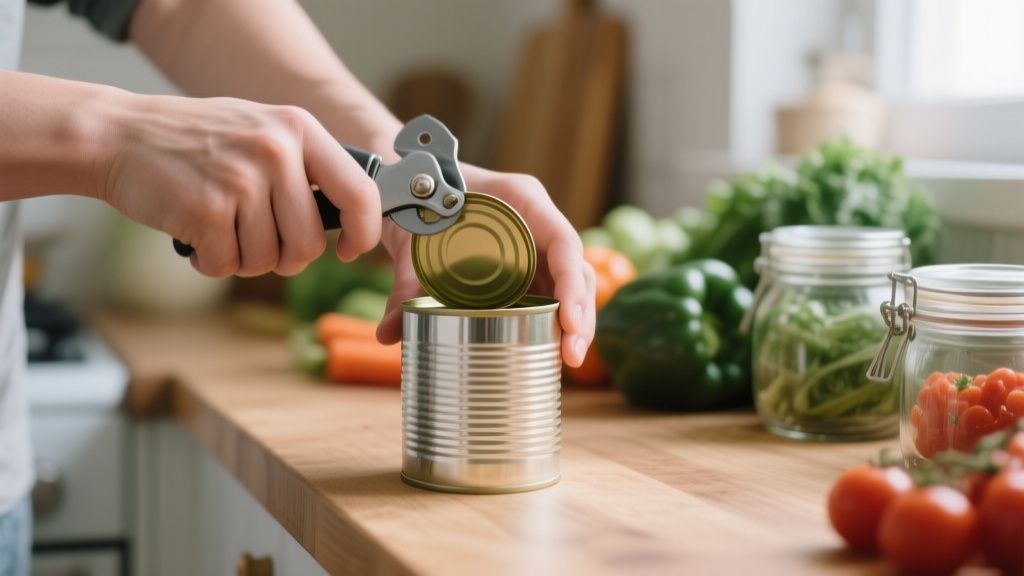
Mistake 1: Storing cans in hot or damp places shortens how long the food stays good. A can stored above a stove will degrade faster inside. A can in a steamy bathroom will degrade faster. A can outside in the sun will degrade faster. Move cans to a cool cupboard away from heat and moisture. Many people also store canned goods in a garage. Temperature swings happen there. A basement or interior closet is better.
Mistake 3: Keeping cans past their useful time lowers quality. It raises the risk of problems. Even canned food inside a perfect can will gradually lose taste and nutrition. Following USDA guidance to use home-canned goods within 1 year protects both safety and quality. For store-bought canned food, the FDA recommends using within 1 year for best quality. The food preservatives and canned food mistakes guide covers more errors and how to fix them.
Practical Tips for Managing Your Canned Food Supply
Label every can you store with the date you bought it. Use a marker on the top or side. This takes 10 seconds per can but saves you from guessing later. Stack older cans in front so you use them first. This keeps the supply fresh. Keep a simple list of what you have. You then know when to buy more without opening every cupboard.
Adapting Canned Food to Your Household
Limited refrigerator space makes canned goods a sensible choice. Use them for items you use slowly. In a warm climate, pay extra attention to storage temperature. Heat speeds up quality loss. With a small budget, buying canned fruit and vegetables costs less than fresh. It wastes less food because nothing spoils.
Busy households benefit from canned items. They need no washing or chopping. Canned beans save time compared to dried beans. Canned tomatoes simplify cooking. Food preservatives and canned food with simple labels let you check each ingredient. This helps when managing food allergies. For a closer look at this, see EFSA Food Additives.
When Home Canning Needs Special Care and When to Get Help
Home canning is different from buying canned food at a store. Store-bought cans go through commercial processes checked for safety at every step. Home canning relies on you to follow strict procedures. This risks serious illness from botulism. Botulism is a rare but severe foodborne risk.
Low-acid foods like meat, most vegetables, and beans must be processed in a pressure canner. Do not use a boiling-water bath. High-acid foods like fruit and pickles can be safely processed using a boiling-water method. If you are not certain which method your recipe needs, then do not proceed. The National Center for Home Food Preservation and the CDC offer guidance. An extension office in your area can answer questions about your specific recipe and equipment.
When to Seek Help Before Home Canning
Your local extension office can help if you are new to canning. They can help if you have family recipes. Ask for the USDA Complete Guide to Home Canning. It is free and reliable. Attend a class or workshop first. Do not rely on old recipes, books, or internet sources alone. The CDC and resources on food preservatives discuss safety standards. But official USDA procedures matter for home canning.
Comparison Table
Use this table to understand the main differences between common food preservation options.
Store-bought canned goods suit most households. They balance safety, convenience, and storage needs.
Frequently Asked Questions About Food Preservatives and Canned Food
Which preservatives in canned food are safe to eat?
Common preservatives in canned food like salt, sugar, citric acid, and ascorbic acid are safe. They are used in the amounts found in canned goods. The European Food Safety Authority evaluates food additives including preservatives for safety. They must be approved before use. Always read the label. You need to know what preservatives are in the can you are buying.
How long does canned food really last?
According to the FDA, canned food can stay fit to eat for up to 2 years when stored properly, but the FDA suggests using canned goods within 1 year for the best quality and taste. Home-canned foods should be used within 1 year and stored between 50°F and 70°F. After the best-by date, canned food does not suddenly spoil, but quality declines.
Is canned food considered processed food?
Yes, canned food is processed. Heat and preservatives are applied during canning. This prevents spoilage. Processing does not make food unhealthy. It makes food safe and stable for storage. Many canned fruits and vegetables retain their nutrients well. They are processed shortly after harvest. They are often fresher than produce that travels far before reaching your table.
What is the difference between home-canned and store-bought canned food?
Store-bought canned food undergoes controlled commercial processing. Strict safety checks happen at each step. Home-canned food depends on you to follow exact procedures. Home canning needs the right equipment and training. Low-acid foods also need pressure canning to prevent botulism. When in doubt about home-canned food safety, discard it.
What signs tell you a canned food is not safe?
Do not use a can if it is dented, bulging, leaking, or heavily rusted. Do not buy or eat canned food from a can that smells wrong. Do not buy canned food that looks discolored inside. If a home-canned food shows any sign of contamination, throw it away. If you are not sure it was processed correctly, throw it away. Do not taste it to check.
Conclusion
Food preservatives and canned food serve as a practical way to keep meals available. You won’t need constant shopping or refrigeration. When you understand how preservatives work, store cans correctly, and follow safety rules for home canning, you can use canned goods confidently. They are part of your food supply.
Start by checking your cupboard today. Remove any cans that are dented or past 1 year old. Label the cans you keep with a marker and the date. This single step puts you ahead in keeping your canned food supply safe and fresh.
Official Guidance
According to the FDA, storing canned food in a cool, clean, dry place away from heat and moisture is the single most important step you can take at home. Even the best preservatives and canning process cannot protect food if storage conditions allow temperature swings or dampness to damage the can.